

Why Contamination in Waste Piles Matters
At waste and recycling facilities across Australia, even small amounts of contamination can have a big impact.
At Outlook Australia’s sites, we see firsthand how placing the wrong materials in the wrong piles can disrupt recycling processes, damage equipment and reduce the amount of waste that can be successfully diverted from landfill.
What is contamination?
Contamination occurs when materials are placed in the wrong waste stream. For example, when plastics, metals or treated materials are mixed into green waste or timber piles.
While it might seem like a small mistake, contamination can affect entire stockpiles, not just individual items.
The real impact of contamination
When contamination is present, entire loads can be rejected and sent to landfill instead of being reused or recycled. This creates several challenges:
- Valuable materials are lost instead of recovered
- Additional time is required to sort and remove contamination
- Staff are redirected from customer support to decontamination tasks
- Machinery can be damaged by hidden non-conforming items
It also comes at a cost to local communities.
Landfill space is limited and expensive. Each contaminated load takes up valuable space in landfill cells, increasing costs for councils. When recycled stockpiles can’t be used, councils may need to purchase materials like mulch from external suppliers for community projects, adding further expense.
Effective recycling helps reduce costs for everyone.
Green waste contamination
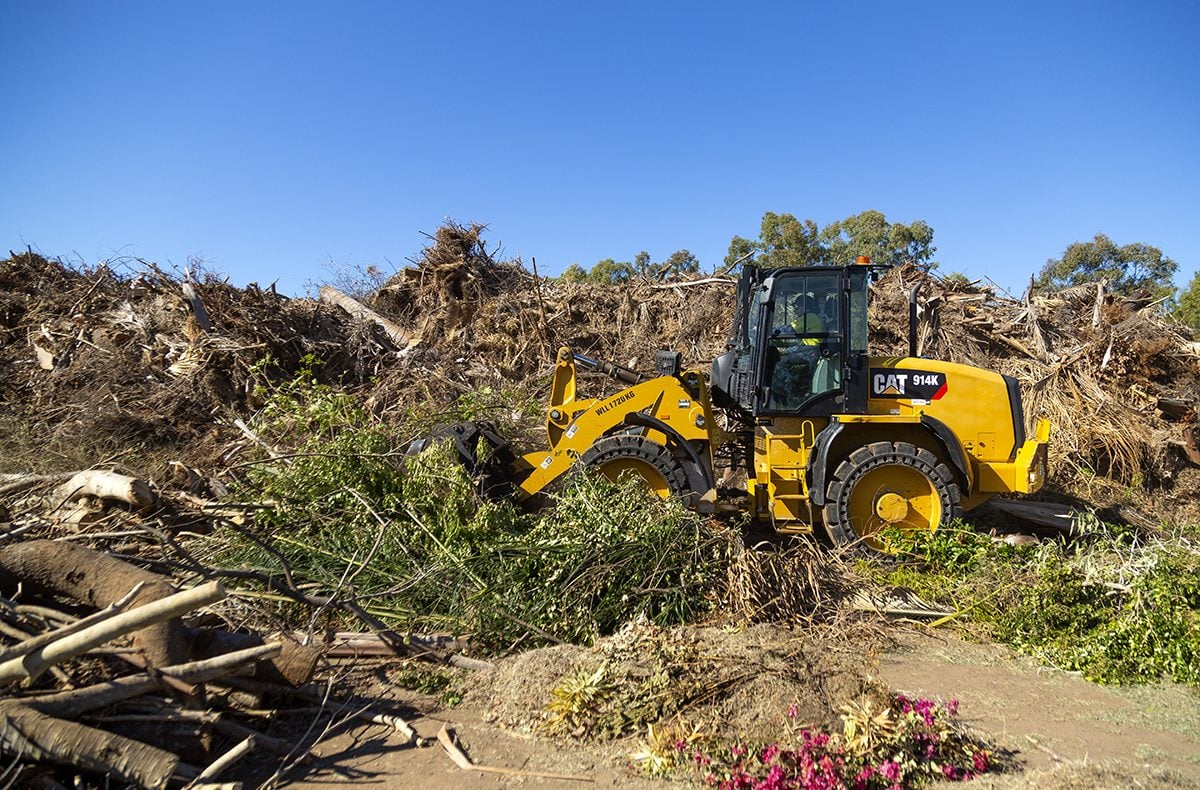
Green waste collected at our sites is processed into mulch, which is then made available to the community or used in council projects.
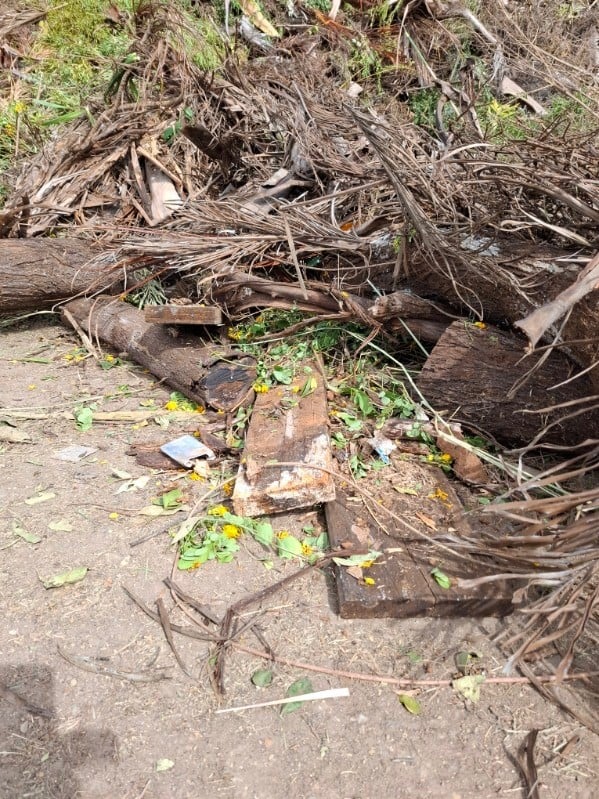
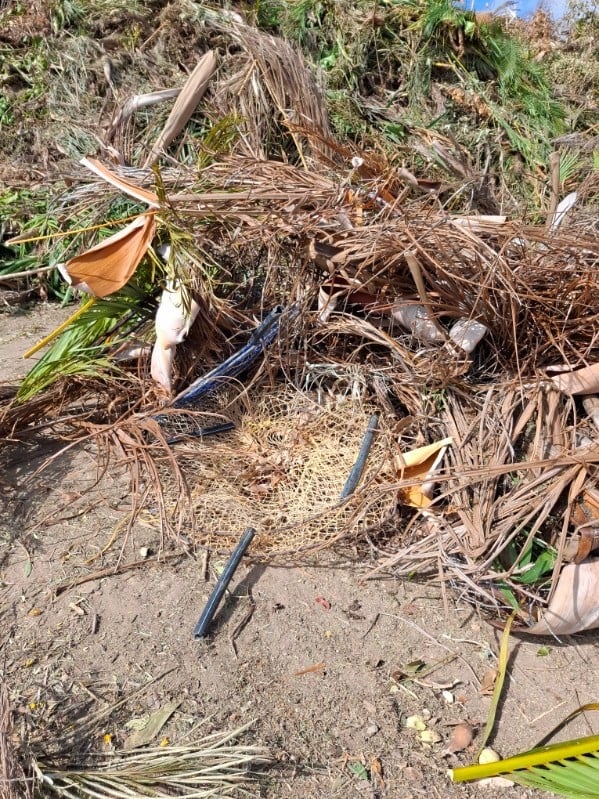
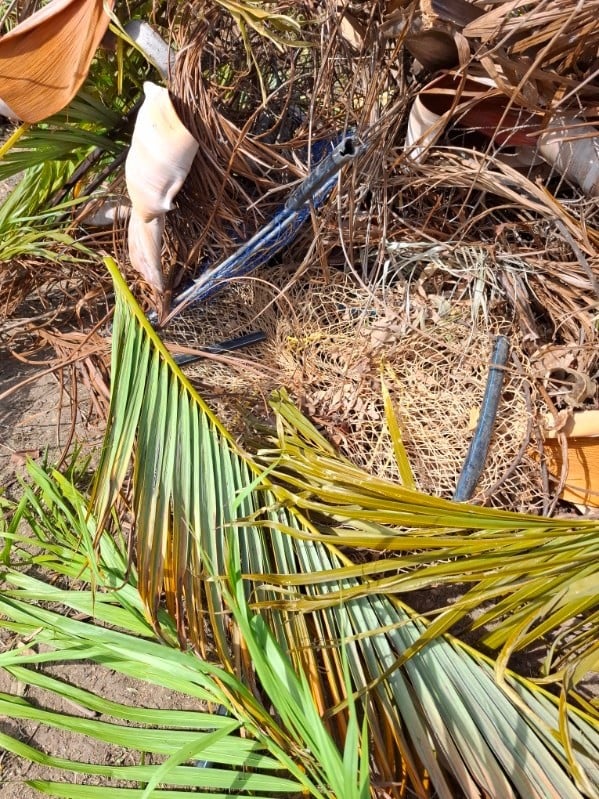
If contamination enters the green waste pile, it can end up in the final mulch product. This may include plastics, metals or other materials that should not be present in gardens or landscaped areas. This directly impacts the quality and safety of the recycled product and negatively impacts the natural environment.
Timber waste contamination
Timber waste is processed using specialised equipment, including powerful woodchippers.
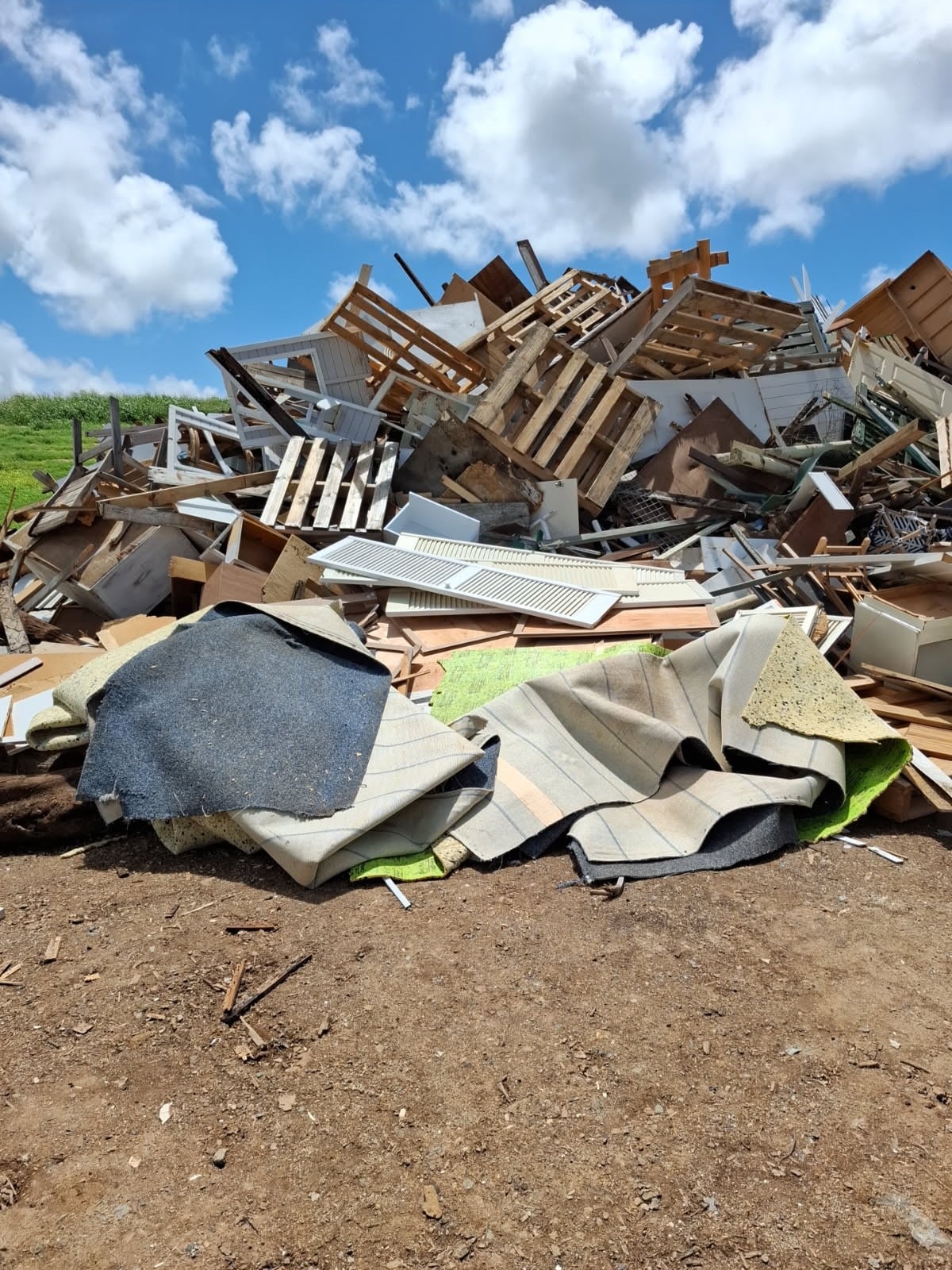
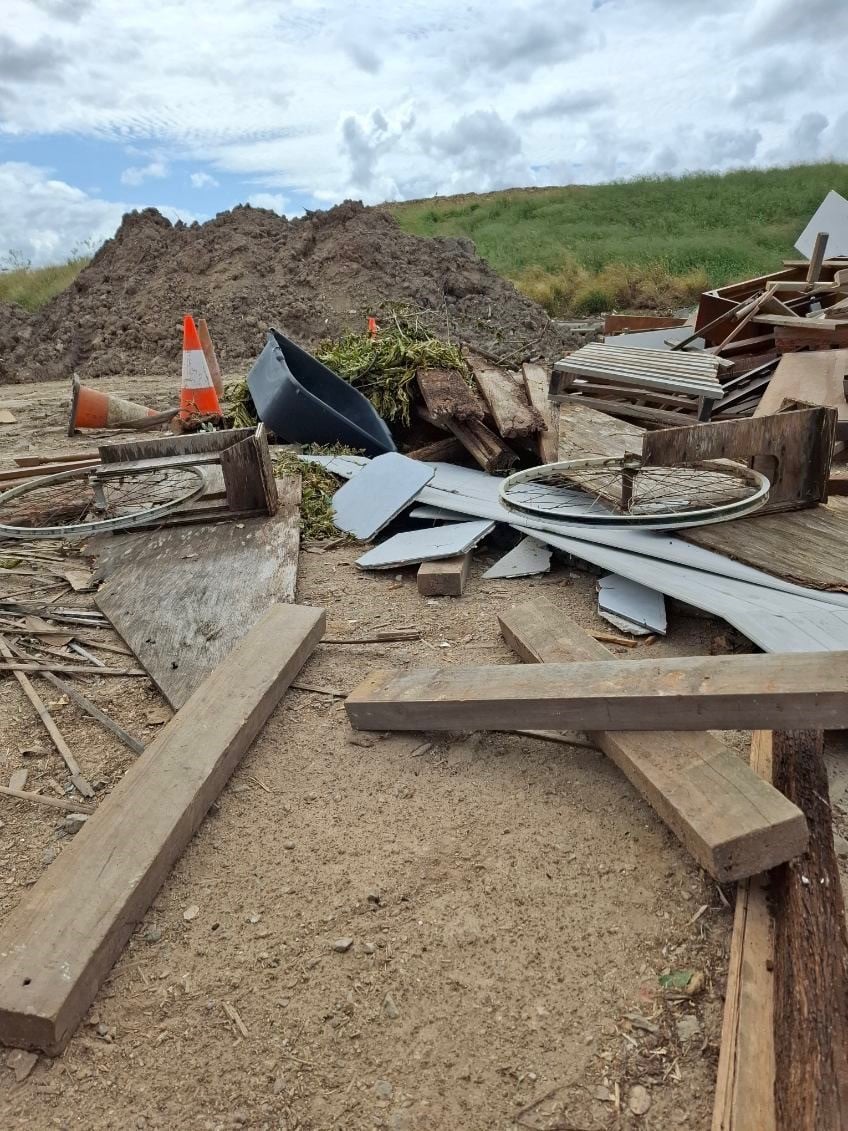
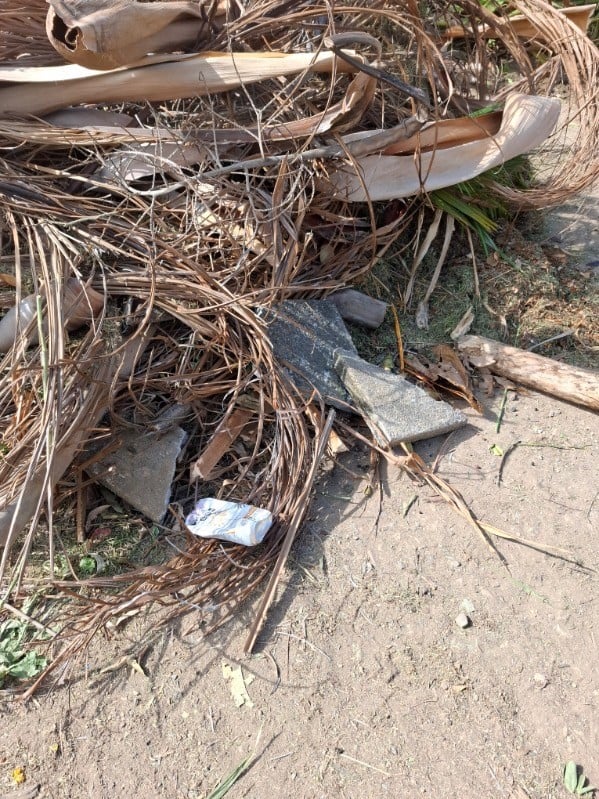
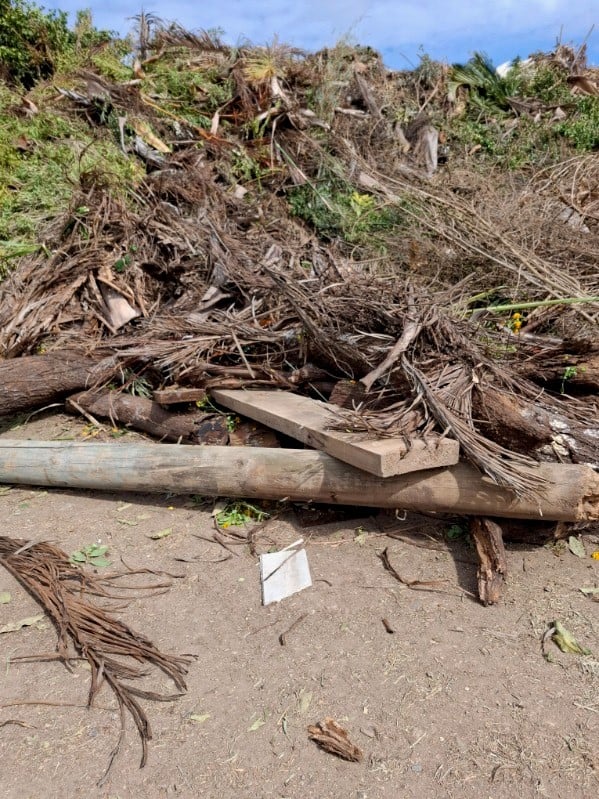
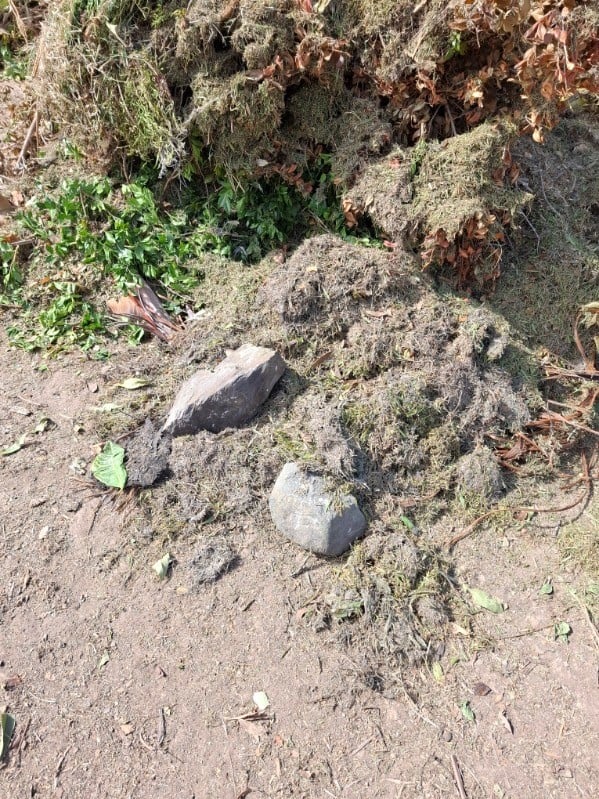
When non-wood materials such as metal, rocks or other items are mixed into timber piles, they can cause significant damage to machinery. In some cases, hidden items have caused equipment breakdowns – risking the safety of our team and leading to significant repair costs.
Treated or painted timber can also pose risks if it is incorrectly processed, as it may end up in woodchip used in green spaces, potentially impacting the environment.
Examples of contamination in timber and green waste piles
Why getting it right matters
Correctly sorting waste helps:
- Keep valuable materials out of landfill
- Protect equipment and workers
- Reduce operational costs for councils and communities
- Ensure recycled products are safe and fit for purpose
Reducing contamination is something we can all contribute to.
By taking a moment to sort materials correctly and follow site signage, customers play an important role in improving recycling outcomes and supporting more sustainable waste management practices.
One wrong item can affect the whole pile. Getting it right makes a real difference.