



Why choose an established, registered NDIS provider?
Choosing an NDIS provider is an important decision. The person or organisation you select may become part of your everyday life, supporting you at home, in the community or as you work towards greater independence.
A positive relationship with your support worker matters. So too do the experience, safeguards and systems behind that person.
Sole traders and unregistered providers can deliver excellent support. They may offer flexibility and a highly personal service. However, an established, registered NDIS provider can offer additional reassurance, particularly when your supports are regular, personal or essential to your daily routine.
Let’s go back to basics …
What does NDIS registration mean?
A registered NDIS provider has completed a formal registration process with the NDIS Quality and Safeguards Commission.
Registered providers are audited against relevant NDIS Practice Standards. The provider and its key personnel must also complete a suitability assessment before registration is approved.
These requirements cover important areas such as:
- Participants’ rights and responsibilities
- Worker qualifications, experience and training
- Risk management
- Complaints and feedback
- Incident management
- Emergency and disaster planning
- Privacy and information management
- Service delivery and continuity
Registered providers must also ensure workers in identified risk-assessed roles have the required NDIS Worker Screening clearance. They must maintain records and monitor workers’ screening status.
Registration cannot guarantee that every provider will be the right fit for every participant. It does provide an additional layer of independent oversight and accountability.
It is also worth clarifying that sole trader and unregistered provider do not mean the same thing. A sole trader can choose to become a registered NDIS provider and meet the same applicable registration requirements.
Greater continuity when plans change
Strong relationships between participants and support workers are incredibly valuable. However, relying on one person can create challenges if that worker becomes sick, takes leave, changes careers or is suddenly unavailable.
An established provider generally has a broader team and more capacity to arrange alternative support. This can reduce disruption and help essential services continue.
A larger provider can also work towards matching participants with workers who suit their personality, interests, communication style and support needs. If the match is not working, there may be more options available without needing to find an entirely new provider.
At Outlook Australia, we understand how important familiar faces and consistent routines can be. We aim to build trusted relationships while having a wider team available to support service continuity.
A team behind your support worker
When you choose an established provider, your support worker is supported too.
Outlook support workers have access to experienced managers, rostering staff, training, workplace policies, professional guidance and specialist advice. If a worker encounters an unfamiliar situation, they have people they can contact for support.
This team structure also creates clearer pathways for participants, families, carers and support coordinators. You know who to contact about rostering, service agreements, invoices, changing needs, feedback or concerns.
With a sole provider, one person may be responsible for delivering support, managing bookings, completing administration, responding to emergencies and running the business. Even the most capable person only has one pair of hands.
Clear processes when something goes wrong
Every participant has the right to feel safe, respected and heard.
Registered providers must maintain formal complaints and incident management systems. Certain serious incidents must also be reported to the NDIS Commission within required timeframes. These systems help ensure concerns are documented, reviewed, escalated and used to improve future support.
This does not mean unregistered providers have no responsibilities. The NDIS Code of Conduct applies to both registered and unregistered providers and workers.
The difference is that registered providers have additional conditions, auditing requirements and formal systems they must demonstrate and maintain.
Experience with different needs and circumstances
Disability support is never one-size-fits-all. A participant’s goals, health, living arrangements, confidence and support needs may change over time.
An experienced provider is more likely to have supported people through a wide range of situations. This helps the team recognise risks, adapt services and work effectively with families, carers, support coordinators and other professionals.
An established provider may also offer a broader range of services. This can make it easier to adjust support as goals change, without having to rebuild relationships and processes from the beginning.
Support for every type of NDIS plan
Participants with NDIA-managed funding must use registered NDIS providers. Participants with plan-managed or self-managed funding can generally choose registered or unregistered providers, although some types of support must be delivered by registered providers.
Choosing a registered provider gives you greater flexibility if the way your plan is managed changes. It also means the provider can support participants with NDIA-managed, plan-managed or self-managed funding.
More than 50 years of disability support
Outlook Australia’s story began in Pakenham in 1975, when local families advocated for better services for people with intellectual disability.
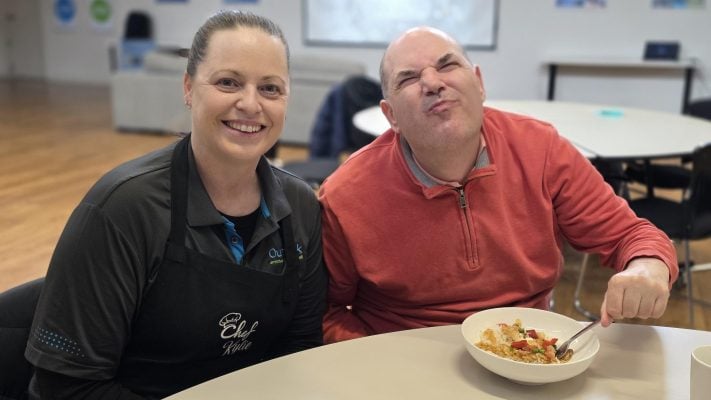
More than 50 years later, we continue to support people with disability to build independence, develop skills, participate in their communities and pursue the things that matter to them.
Outlook Australia is an approved registered NDIS provider. Our services include individual support, assistance with daily living, personal care, respite, community access, group programs, SLES school leaver employment supports, transport support and social and recreational activities.
We support participants across Melbourne’s south-east, the NSW Central Coast, Greater Newcastle and Hunter Valley areas.
Our size and experience give us strong systems, skilled teams and established safeguards. Our approach remains personal. We take the time to understand each participant’s goals, routines, interests, preferences and support needs.
Choose a provider you can trust
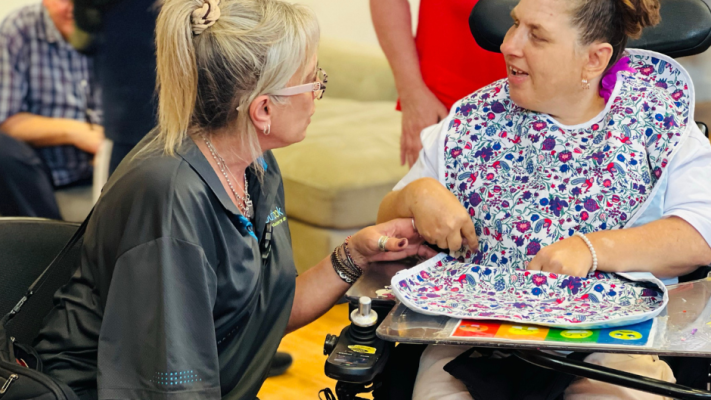
There is no single provider that will suit everyone. Take the time to ask questions, meet the team and understand how a provider recruits workers, manages safety, responds to concerns and maintains support when circumstances change.
The right provider should listen to you, respect your choices and make you feel comfortable.
If you are looking for reliable, personalised support backed by an experienced and registered organisation, contact Outlook Australia. Our team can talk with you, your family or your support coordinator about your goals and whether Outlook is the right fit.